Can Dental Crowns in Oxnard CA Fix Broken Teeth?
@connerzdpp713
September 28, 2026 · 15 min read

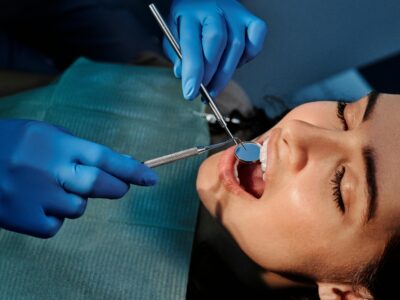

A broken tooth can feel minor at first, just a rough edge against the tongue or a little zing when you sip something cold. Then the reality sets in. Chewing becomes awkward. Smiling feels different. If the crack is visible, people often become self-conscious fast, even when the damage is small. From a clinical standpoint, a broken tooth is rarely something to ignore, because enamel does not grow back and fractures tend to worsen under everyday bite pressure.
For many patients, the most reliable answer is a dental crown. In the right case, a crown can restore strength, shape, and appearance so effectively that the tooth functions normally again. But the honest answer to the question is not simply yes, every time. Some broken teeth are excellent candidates for crowns. Others need a different kind of restoration, root canal treatment first, or in severe cases, extraction and replacement.
If you are researching Dental Crowns Oxnard CA, it helps to know what crowns can actually do, where they fall short, and how dentists decide whether a tooth can still be saved.
What a dental crown actually does
A dental crown is a custom-made cap that covers the visible part of a tooth above the gumline. Think of it less as a cosmetic shell and more as a structural rebuild. When a tooth has lost too much natural enamel to function safely on its own, a crown takes over the job of protecting it from further fracture while restoring its normal contour and bite.
That distinction matters. A small chip on a front tooth might be repaired beautifully with bonding and no crown at all. A molar that has split a cusp, has an old large filling, and hurts when chewing is a very different situation. In that case, the remaining tooth may flex under pressure. A filling alone often fails because it does not wrap and reinforce the tooth the way a crown can.
In daily practice, crowns are one of the most common ways to save teeth that are compromised but still restorable. They are especially useful for back teeth because molars absorb heavy forces. People often underestimate how much pressure those teeth handle until one cracks during an ordinary meal.
Not every broken tooth breaks the same way
When patients say, “I broke my tooth,” that can mean several different things. A tiny enamel chip, a fractured cusp, a deep vertical crack, or a tooth broken near the gumline may all feel like the same category from the patient’s perspective. Dentally, they are not.
A crown works best when there is enough healthy tooth left to support it. That support can come from sound enamel and dentin above the gumline, and sometimes from additional build-up material placed by the dentist before the crown is made. If the fracture extends too far below the gum or into the root, the prognosis changes.
The practical question is not whether a crown can cover the damage. It usually can. The real question is whether the underlying tooth is stable enough to hold that crown long term.
When a crown is often the right fix
There are several situations where a crown is commonly recommended for a broken tooth:
- A large piece of the tooth has fractured off, especially on a molar or premolar.
- The tooth has an old, large filling and the remaining tooth walls are weak.
- A crack causes pain when biting, but the tooth is still structurally salvageable.
- The tooth has had root canal treatment and needs full coverage for protection.
- The break has affected the tooth’s shape and function more than a simple filling can repair.
These cases share one thing in common. The tooth still has a reasonable foundation, but it needs reinforcement that covers and protects the remaining structure.
One pattern dentists see often is the “tooth with history.” It may have had two or three fillings over the years. Maybe the patient clenches at night. Maybe the tooth had a cavity on one side, then another one years later. Eventually there is more restoration than natural tooth. At that point, one hard bite on ice, nuts, popcorn kernels, or even crusty bread can break a cusp. The actual break may feel sudden, but the tooth was weakening over time.
When a crown may not be enough
Crowns are excellent restorations, but they are not a cure-all. If the fracture runs vertically down the root, the tooth may not be savable. If decay has destroyed too much remaining structure, there may not be enough sound tooth to hold a crown predictably. If the crack extends below the bone level, the biology becomes much less favorable.
Sometimes patients are surprised to hear that a crown is not recommended even though “there is still some tooth left.” The reason is simple: a crown needs a secure foundation. Cementing a beautiful restoration onto a badly compromised tooth does not make the tooth healthy or stable.
There are also cases where a conservative repair makes more sense than a crown. A small chip on a front tooth can often be smoothed or bonded. That preserves more natural enamel and costs less. Good dentistry is not about putting crowns on every damaged tooth. It is about choosing the least invasive treatment that will hold up.
The exam matters more than the symptom
Two people can walk into a dental office in Oxnard with nearly identical complaints, “I cracked a tooth and it hurts when I chew,” and walk out with different treatment plans. That is not inconsistency. It is diagnosis.
Dentists typically evaluate a broken tooth by looking at the size and location of the fracture, checking the bite, testing the nerve, and taking X-rays. In some situations, transillumination or magnification helps reveal crack lines. The tooth’s response to cold can also offer useful information. A tooth with a healthy nerve behaves differently from one with deep inflammation or necrosis.
A useful example is the cracked molar that only hurts when releasing the bite, not when applying it. That can suggest a crack that flexes under pressure. If caught early, the tooth may be saved with a crown. If ignored long enough, the crack can deepen, the pulp can become inflamed, and the tooth may eventually need root canal treatment as well.
Timing can change the entire treatment path.
How the crown process usually works
For a straightforward crown case, treatment commonly begins by removing any decay, weak filling material, or unsupported tooth structure. If much of the tooth is missing, the dentist may place a core build-up to recreate enough form for the final crown. The tooth is then shaped so the crown can fit securely and align with the bite.
In many offices, impressions are taken digitally, though traditional materials are still used in some settings. A temporary crown often protects the tooth while the permanent one is being made. When the final crown returns from the lab, the dentist checks the fit, contacts, shade, and bite, then cements it in place.
Patients sometimes think of this as a cosmetic appointment because they receive a tooth-shaped restoration at the end. Structurally, it is more significant than that. The appointment is really about preserving a tooth under stress and redistributing force more safely.
If the tooth has a damaged or infected nerve, root canal treatment may be completed before the crown. That is not a failure of the crown plan. It simply means the fracture affected not only the outer structure, but also the inner tissue of the tooth.
Materials matter, but case selection matters more
Patients shopping for Dental Crowns Oxnard CA often ask which crown material is best. That is a fair question, but the better question is which material is best for that specific tooth.
Porcelain and ceramic crowns can look very natural, especially in visible areas. Zirconia has become popular because of its strength and durability, especially for back teeth and patients who clench. Porcelain fused to metal is still used in some cases, though all-ceramic options are more common than they once were.
No material is perfect for every situation. Front teeth demand esthetics, light transmission, and lifelike color. Molars demand strength and resistance to heavy bite forces. The patient’s bite, grinding habits, and available tooth structure all influence the decision.
From experience, the biggest long-term problems with crowns are often not about whether the crown was made of zirconia or ceramic. They are more often about the condition of the underlying tooth, uncontrolled clenching, untreated decay at the margin, or a bite that places too much stress on one area.
Can a crown stop pain from a broken tooth?
Sometimes yes, but not always immediately and not always by itself.
If the pain comes from a cracked cusp or exposed dentin, placing a crown can stabilize the tooth and reduce the movement that triggers discomfort. Many patients feel substantial relief once the tooth is protected. If the pain comes from nerve inflammation that has progressed too far, a crown alone may not solve it. The tooth may need root canal treatment before or after crown placement.
This is one reason temporary crowns can be revealing. A tooth that calms down once it is protected often confirms the diagnosis. A tooth that continues throbbing spontaneously may have deeper pulpal involvement.
Pain patterns matter. Sharp pain on chewing, sensitivity to cold, lingering sensitivity after cold, nighttime throbbing, and tenderness to pressure all point in slightly different directions. A thorough diagnosis keeps the treatment realistic.
Crowns on front teeth versus back teeth
Broken front teeth and broken molars create different challenges.
A front tooth is visible in every smile and conversation. Patients understandably focus on how it looks. If the fracture is moderate to severe, a crown can restore shape and color beautifully. The challenge is conserving enough tooth structure and matching adjacent teeth naturally. In some cases, a veneer or bonding may be possible instead. In others, a crown is the sturdier choice.
Back teeth rarely get the same emotional reaction, but they matter just as much functionally. They handle most of the chewing load. A broken molar that is not crowned when it should be often continues to crack. Patients may try chewing on the other side for a while, but that workaround rarely lasts.
There is also a practical difference in what people notice. Small bite discrepancies on a molar crown can feel surprisingly obvious. Tiny shade differences on a front crown can feel just as important. Success is not only about saving the tooth. It is about restoring it in a way the patient can comfortably live with.
How long do crowns last on broken teeth?
There is no honest one-number answer. Some crowns last well over a decade. Some fail much earlier. Longevity depends on how much natural tooth remains, the quality of the margin, oral hygiene, bite forces, grinding habits, and whether new decay develops around the crown.
A crown does not make the tooth invincible. It protects and reinforces, but the tooth underneath can still develop problems. Recurrent decay at the edges, cement washout, fracture of the underlying tooth, or gum recession can all affect the lifespan of the restoration.
Patients often assume that once a tooth is crowned, it is “done forever.” That belief leads to neglect. Crowned teeth still need brushing, flossing, regular exams, and in many cases, a night guard if grinding is part of the picture.
What recovery and adjustment feel like
After crown preparation, mild soreness is common for a day or two, especially if the gums were irritated during the procedure or the tooth was already inflamed. Temporary crowns can feel a little different from natural teeth, and patients sometimes baby the area until the permanent crown is delivered.
Once the final crown is cemented, a small bite adjustment can make a huge difference. Teeth are remarkably sensitive to high spots. A crown that feels “just a little off” can cause jaw soreness, chewing discomfort, or the feeling that the tooth is too tall. That is usually fixable with a simple adjustment, and patients should not hesitate to mention it.
A well-made, well-adjusted crown should begin to fade into the background of normal chewing. That is the goal. The best restorative work feels unremarkable once everything settles.
The role of urgency
A broken tooth does not always create immediate agony, but waiting can turn a manageable restoration into a more complex one. A small fracture can widen. Food and bacteria can enter areas that were previously sealed. A tooth that might have needed only a crown can progress to needing a root canal and crown, or become non-restorable.
In practical terms, it is wise to seek an evaluation soon if you notice a fractured tooth, a sudden rough edge, pain when chewing, or sensitivity that was not there before. Even if the damage seems cosmetic, an exam can reveal whether the break is superficial or part of a deeper crack pattern.
That is especially relevant for patients who have a history of clenching or grinding. Those habits create repeated microstress. Teeth do not always fail in one dramatic event. Sometimes they fail by fatigue.
What to ask during a crown consultation in Oxnard
When people look for Dental Crowns Oxnard CA, they often focus on price first. Cost matters, of course, but a better consultation starts with clarity about the tooth itself. Ask what kind of fracture is present, whether the nerve appears healthy, how much natural tooth remains, and whether any alternatives are reasonable.
You should also understand whether the crown is expected to be definitive treatment or whether there is a chance the tooth may still need root canal treatment later. Dentists cannot predict every biological response with certainty, but they should explain the risk profile plainly.
One sign of a thoughtful treatment plan is when the dentist discusses not only the crown, but also why the tooth broke in the first place. If nighttime grinding, an unstable bite, or a failing old filling contributed to the fracture, those factors should be part of the conversation.
Caring for a crowned tooth after treatment
Crowns do not require exotic maintenance, but they do reward consistency.
- Brush carefully along the gumline where the crown meets the tooth.
- Floss daily, using gentle technique rather than snapping through contacts.
- Avoid chewing ice, hard candy, and other high-risk habits.
- Wear a night guard if you clench or grind.
- Return for exams if the crown feels loose, high, or newly sensitive.
Most crown failures do not begin with dramatic symptoms. They often start quietly, with a margin collecting plaque, a tiny open contact trapping food, or a bite issue that slowly overloads the tooth. Maintenance catches those problems early.
The trade-offs patients should understand
A crown can save a broken tooth, but it is still a compromise relative to untouched natural enamel. Preparing a crown requires removing some tooth structure so the restoration can fit. That makes sense when the tooth is already weakened and needs protection. It makes less sense when a smaller repair would do the job.
There is also the trade-off between preserving a questionable tooth and choosing replacement. In some borderline cases, saving the tooth with a crown may buy years of function, but not decades. For many patients, that is still worthwhile. Others prefer to invest in a longer-term replacement plan if the prognosis is poor. There is judgment involved, and good treatment planning is rarely one-size-fits-all.
Another real-world trade-off is esthetic versus durability. Patients sometimes want the most lifelike material even on heavy-biting molars. Dentists sometimes steer them toward stronger options because longevity matters more in that location. Those conversations are worth having openly.
So, can dental crowns fix broken teeth?
In many cases, yes, and they do it very well. A Dental Crowns Oxnard CA properly planned crown can restore a broken tooth’s strength, function, and appearance so predictably that patients often forget how compromised the tooth once felt. For fractured molars, heavily filled teeth, and teeth weakened after root canal treatment, crowns are often the treatment that keeps the tooth in service.
The key phrase is “in many cases.” A crown is only as successful as the tooth supporting it. Deep root fractures, severe structural loss, or advanced decay may push the tooth beyond what a crown can responsibly solve. That is why diagnosis comes first and the restoration second.
For anyone exploring Dental Crowns Oxnard CA after breaking a tooth, the smartest next step is not guessing whether the tooth can be saved. It is getting it examined before the fracture deepens. Broken teeth rarely improve on their own. When addressed early, a crown is often the difference between a manageable repair and a much bigger problem.
Omni Dental Specialty
1690 E Gonzales Rd
Oxnard, CA 93036, United States
Phone: +1 805-410-9603
FAQ About Dental Crowns Oxnard CA
What is the average cost of a crown in California?
The fee depends on the crown material, tooth condition and any additional treatment. Request an itemized estimate from Omni Dental Specialty after an examination, and confirm insurance benefits before scheduling.
How long do dental crowns last?
Longevity varies with the material, fit, oral hygiene and biting habits. Regular dental reviews help identify wear, damage or decay. A crown does not need replacement solely because it reaches a particular age.
Do teeth go bad under crowns?
Decay can develop in the remaining natural tooth, particularly near the crown margin. Brush with fluoride toothpaste, clean between teeth daily and keep dental appointments. Report new pain or looseness promptly.
Which crown is best for bruxism?
No material suits everyone. Your dentist assesses grinding, tooth position, bite forces and appearance before recommending a crown. A protective appliance may also be recommended to manage stress on the restoration.