Why Dental Crowns in Oxnard CA Are a Popular Restorative Option
@connerzdpp713
September 28, 2026 · 15 min read
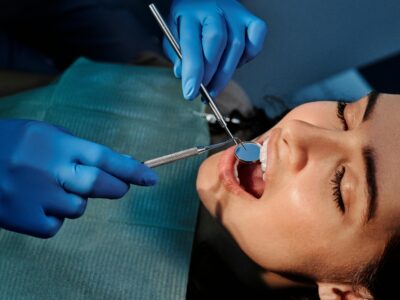
When a tooth is too damaged for a simple filling but not so far gone that it needs to be removed, a crown often becomes the most practical answer. That middle ground is where crowns do their best work. They restore strength, improve appearance, and let people keep their natural teeth longer. In a place like Oxnard, where patients range from young families to retirees who want durable, low-drama dental care, crowns remain one of the most requested restorative treatments for good reason.
The appeal is not hard to understand. A crown solves several problems at once. It covers and protects a weakened tooth, helps people chew comfortably again, and often improves the look of a tooth that has become discolored, cracked, misshapen, or heavily filled over the years. Patients rarely ask for a crown because they are excited about the procedure itself. They ask because they want a dependable fix that lets them stop thinking about a tooth every time they bite into something.
That practical value is exactly why Dental Crowns Oxnard CA is a phrase people search when they are dealing with pain, a broken tooth, or repeated dental repairs that no longer hold up.
What a dental crown actually does
A crown is a custom-made cap that fits over a prepared tooth. Once cemented in place, it becomes the new outer surface of that tooth. The crown is shaped to match the bite and contour of the surrounding teeth, so it does not just sit there for appearances. It takes on real mechanical work every day.
Think of a tooth that has lost a large amount of its original structure. Maybe it has a big old silver filling that has expanded over time, or maybe it cracked while chewing on something hard. That tooth may still have a healthy enough root to keep, but the visible part above the gumline is no longer strong enough to function safely on its own. A crown redistributes biting forces and protects what remains.
This is why crowns are so commonly recommended after root canal treatment as well. A back tooth that has had a root canal can become more brittle, especially if much of the original tooth structure was already lost. Without a crown, that tooth is at a greater risk of fracturing later, sometimes below the gumline, where the damage becomes much harder or impossible to repair.
Why patients in Oxnard often choose crowns
Popularity is not just about marketing or familiarity. It usually comes down Dental Crowns Oxnard CA to how well a treatment fits real needs. In general practice, crowns are popular because they are versatile. They can help someone who cracked a molar on ice, someone whose front tooth has worn down after years of grinding, or someone replacing an aging restoration that has failed.
In Oxnard, there is another layer to that decision. Many patients want treatment that is durable enough to withstand busy routines. They do not want repeated patchwork dentistry if a stronger restoration would save them time, discomfort, and cost over the next several years. A well-made crown often does exactly that.
A few common situations tend to lead people toward crowns:
- A tooth has a large cavity or filling and no longer has enough healthy structure left for another filling.
- A tooth is cracked, chipped, or worn and needs reinforcement to prevent further damage.
- A patient has completed a root canal and needs to protect the treated tooth.
- A tooth is severely misshapen, discolored, or cosmetically compromised in a way veneers or bonding may not fully address.
- A dental implant needs a final visible restoration so the tooth looks and functions naturally.
These are everyday cases, not rare exceptions. Most adults accumulate some combination of wear, old dental work, and unexpected damage over time. Crowns remain popular because they meet those realities directly.
The balance between preservation and protection
One reason experienced dentists value crowns is that they often represent a thoughtful compromise. On one side, you have conservative care, such as small fillings or bonding. On the other, you have extraction and replacement with an implant or bridge. A crown sits between those options. It preserves the natural root and surrounding bone while giving the visible part of the tooth a fresh start.
That balance matters. Keeping a natural tooth, when it is reasonably possible, is usually beneficial for chewing function and jaw stability. It also tends to feel more natural to patients. At the same time, preserving a tooth at all costs is not always wise. If a tooth is too cracked, too decayed below the gumline, or too unstable, a crown can become an expensive detour instead of a sound investment. Good treatment planning means recognizing which teeth are truly restorable and which are not.
That judgment is part of why people seek out established local care when researching Dental Crowns Oxnard CA. They are not only shopping for a product. They are looking for a clinician who can tell them honestly whether a crown is the right move.
Materials matter more than most patients realize
Not all crowns are the same. The material affects appearance, strength, and how the restoration behaves over time. This is one reason crown treatment is more nuanced than people expect.
Porcelain and ceramic crowns are popular because they can look very natural, especially in visible areas. A well-made ceramic crown on a front tooth can blend beautifully with neighboring teeth. For many patients, that lifelike finish matters a great deal.
Zirconia crowns have also become common because they are strong and can work well in back teeth where biting forces are heavier. Depending on the case, zirconia may also be used in visible areas, though esthetic demands vary from person to person. Some patients care deeply about tiny differences in translucency. Others care far more about durability and cost.
Porcelain fused to metal crowns are still in service too. They have a long track record, though over time the metal margin may become visible near the gumline in some cases. Full metal crowns, often gold alloy or similar materials, remain one of the most durable choices for certain molars, even if they are not the most cosmetic. Dentists who have practiced long enough have seen metal crowns last decades when placed in the right situation.
There is no universally best material. A front tooth in a patient with a wide smile has different demands than a second molar in a heavy grinder. The best crown is the one that fits the tooth, the bite, the esthetic goal, and the patient’s habits.
Crowns are popular because they solve both function and appearance
Many dental treatments do one thing well. Crowns often do two or three things at the same time. That efficiency is a major reason for their popularity.
Consider a tooth with a large failing filling and a visible crack line. A filling replacement may not hold because too much of the tooth is already compromised. Bonding may improve the look briefly, but it will not provide enough structural support. A crown, by contrast, can protect the tooth from fracture, restore chewing surfaces, and improve the visible shape and color in one restoration.
Front teeth bring another example. If a patient has one darkened tooth after trauma years ago, a crown may be considered when internal bleaching is not enough and the existing tooth structure is heavily restored. In that setting, the crown is not simply cosmetic. It also helps create a more stable long-term restoration.
This overlap between restorative and cosmetic value makes crowns especially attractive to patients who do not want separate phases of treatment for appearance and function.
The process is more precise than people expect
From the patient chair, getting a crown can seem straightforward. Numb the tooth, shape it, take an impression, place a temporary crown, then return for the final one. But behind that sequence is a great deal of precision.
The tooth has to be reduced enough to create space for the crown material, but not so aggressively that unnecessary healthy structure is lost. The margin, where the crown meets the tooth, has to be smooth and properly placed. Bite records have to be accurate. If the fit is off by even a small amount, patients may notice it when chewing or flossing. If the crown is too high, the tooth can feel sore for days. If the contact is too loose, food traps. If too tight, floss shreds or snaps.
Laboratory quality also matters. Even with digital scanning and computer-aided milling, the human side of crown fabrication remains important. Shade matching, contour, contact strength, and bite adjustment all require care. A crown that looks acceptable in a photo may feel wrong in the mouth if these details are neglected.
Patients usually remember a good crown by what they do not notice. It stops hurting. It feels stable. It lets them chew normally. They stop babying that side of the mouth.
Longevity is a major reason for their popularity
People do not necessarily need a crown that lasts forever. They do want one that holds up under normal life. That expectation is reasonable. With proper placement and good home care, many crowns last well over a decade, and some last much longer. Outcomes vary, of course. The condition of the tooth underneath, gum health, grinding habits, diet, and the quality of the bite all influence longevity.
The key point is that crowns are often seen as worth the investment because they tend to offer a more durable solution than repeated large fillings in the same weakened tooth. Dentists have seen the cycle many times. A tooth gets a filling, then a larger filling, then another repair when a corner breaks, then one more patch after sensitivity starts. At a certain point, the remaining tooth becomes too fragile for more piecemeal work. A crown usually breaks that cycle.
That does not mean crowns never fail. They can chip, loosen, decay around the margin, or come off if the underlying tooth structure was minimal to begin with. But when compared with ongoing temporary repairs in an already compromised tooth, a crown is often the more stable long-term choice.
Cost enters the conversation, but so does value
Crowns are not the cheapest restorative option, and patients know that. A filling costs less up front. Extraction can sometimes seem simpler. But cost by itself rarely tells the full story.
A crown can protect a tooth that would otherwise continue to crack or wear down. If that tooth later breaks deeply enough to require extraction, the replacement cost may rise significantly. An implant, for example, often involves surgery, healing time, and a final crown, all of which usually exceed the cost of saving a restorable tooth with a crown in the first place.
That said, crowns are not automatically the right value in every case. If a tooth has a poor long-term prognosis due to severe periodontal disease, recurrent deep decay, or an unfavorable crack pattern, spending on a crown may not be wise. Ethical care requires that trade-off be discussed plainly.
Patients appreciate straightforward advice here. They can accept that a crown costs more than a filling if they understand what it protects and why a smaller restoration is likely to fail.
Why local factors can influence treatment decisions
Dental care never happens in the abstract. Climate, lifestyle, access, and patient expectations all shape the way restorative treatment is discussed and delivered. In a coastal community like Oxnard, appearance can matter, but so can practicality. People want durable dentistry that does not pull focus from work, family, or daily routines.
Local continuity of care matters too. Crowns involve preparation, temporary coverage, final delivery, and occasional adjustments. It helps when patients can return to the same office for follow-up if a bite feels high or a temporary comes loose. That kind of convenience can make crown treatment feel far more manageable.
For many patients searching Dental Crowns Oxnard CA, the decision is partly about trust. They want a nearby provider who can explain options clearly, manage discomfort well, and stand behind the work if a small adjustment is needed after placement.
The temporary crown stage deserves more respect
One of the most underestimated parts of the process is the temporary crown. Patients sometimes assume it is a minor placeholder that does not matter much. In reality, the temporary protects the prepared tooth, maintains spacing, and gives the patient a trial run for comfort and appearance.
A well-made temporary can reveal useful information. If the bite feels awkward, that can be corrected before the final crown is cemented. If the shape traps floss or irritates the tongue, those details can guide the lab. For front teeth, the temporary sometimes helps confirm whether the length and contour are flattering before finalizing the permanent restoration.
When temporaries fail repeatedly, it can also signal challenges with the bite or tooth retention. Those issues are worth addressing rather than glossing over.
Crowns are common, but not automatic
One of the healthiest trends in modern restorative dentistry is more selective use of crowns. Years ago, some teeth were crowned sooner than necessary. Today, many dentists try to preserve tooth structure when a smaller restoration is likely to succeed. Adhesive dentistry has improved, and materials for onlays or bonded restorations can sometimes offer a more conservative alternative.
Still, there is a point where conservative treatment becomes false economy. When the tooth is structurally compromised, a crown remains the more protective option. This is where clinical judgment matters most. A patient with a small crack and plenty of tooth left may do well with a less extensive restoration. A patient with steep bite forces, visible fracture lines, and multiple broken cusps probably will not.
That distinction is part of what keeps crowns relevant. They are not popular because they are old-fashioned or routine. They are popular because, in the right cases, they are still hard to beat.
What patients can do to help a crown last
The life of a crown is not determined by the Dental Crowns Oxnard CA cement alone. Daily habits matter. The gumline around the crown must stay clean, because decay often starts at the edge where natural tooth meets restoration. Clenching and grinding also shorten the life of crowns, especially in back teeth.
A few habits make a real difference:
- Brush carefully along the gumline and floss around the crowned tooth every day.
- Avoid chewing ice, popcorn kernels, pens, and other hard objects that can crack natural teeth and restorations.
- Wear a night guard if you grind or clench during sleep.
- Keep regular dental visits so early margin leakage, bite issues, or gum irritation can be caught before they become major problems.
- Call promptly if the crown feels loose, high, or suddenly sensitive.
These are simple steps, but they matter. Many crown failures are not dramatic. They begin as small issues that become bigger when ignored.
When a crown is not the best answer
A balanced discussion should include limitations. A crown cannot reverse active gum disease. It cannot save a tooth with decay that extends too far below the bone. It cannot reliably hold together a tooth with an unfavorable vertical root fracture. And it cannot fix the underlying habit if someone continues to grind aggressively without protection.
There are also cases where esthetic expectations need careful management. Matching one front crown to adjacent natural teeth can be challenging, especially if those neighboring teeth have unique translucency, staining patterns, or previous dental work. Skilled dentists and labs can do excellent work, but perfection is not always realistic on the first attempt, particularly in highly visible smile zones.
For some patients, orthodontic movement, bonding, veneers, onlays, or extraction with replacement may be more appropriate than a crown. Popular does not mean universal.
Why crowns continue to earn their place
The enduring popularity of crowns comes down to function, versatility, and predictability. They address the common problems that accumulate in adult mouths: cracked teeth, large failing fillings, worn biting surfaces, root canal-treated teeth, and cosmetic compromises that require more than a surface fix. They are familiar because they work, and they remain standard because they fill a real need between minimal restorations and full tooth replacement.
For patients weighing their options, the real question is not whether crowns are common. It is whether a specific tooth would benefit from the protection a crown provides. When the answer is yes, crowns often deliver exactly what people want from dentistry, less pain, more confidence, and a strong chance of keeping a natural tooth in service for years.
That is why Dental Crowns Oxnard CA continues to be such a common search and such a common recommendation. People are not looking for something flashy. They are looking for a solution that holds up in everyday life. Crowns have earned that reputation one restored tooth at a time.
Omni Dental Specialty
1690 E Gonzales Rd
Oxnard, CA 93036, United States
Phone: +1 805-410-9603
FAQ About Dental Crowns Oxnard CA
What is the average cost of a crown in California?
The fee depends on the crown material, tooth condition and any additional treatment. Request an itemized estimate from Omni Dental Specialty after an examination, and confirm insurance benefits before scheduling.
How long do dental crowns last?
Longevity varies with the material, fit, oral hygiene and biting habits. Regular dental reviews help identify wear, damage or decay. A crown does not need replacement solely because it reaches a particular age.
Do teeth go bad under crowns?
Decay can develop in the remaining natural tooth, particularly near the crown margin. Brush with fluoride toothpaste, clean between teeth daily and keep dental appointments. Report new pain or looseness promptly.
Which crown is best for bruxism?
No material suits everyone. Your dentist assesses grinding, tooth position, bite forces and appearance before recommending a crown. A protective appliance may also be recommended to manage stress on the restoration.